
Inside a Global Effort to Understand ALS Resilience
January 27, 2026
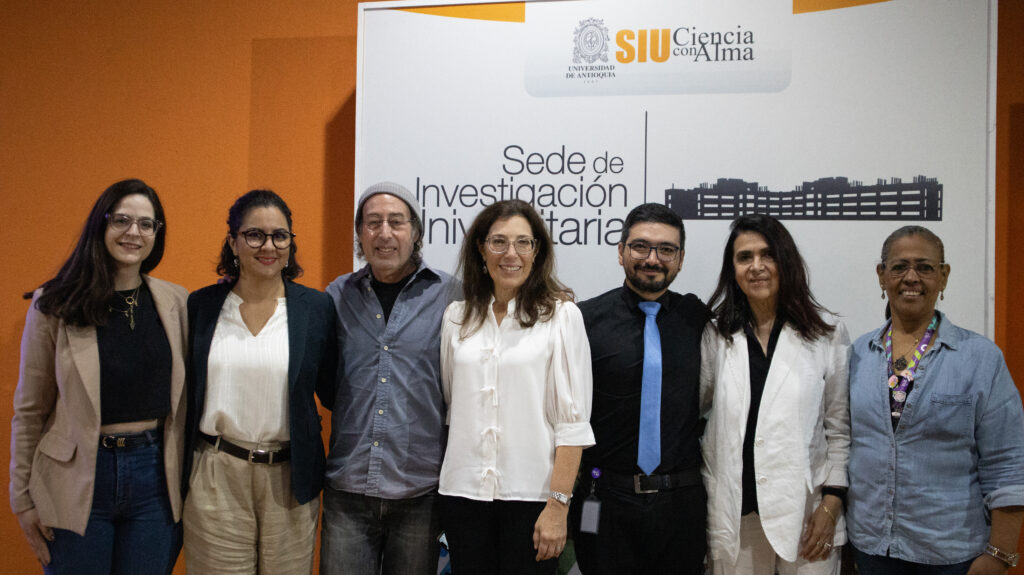
Target ALS is supporting the launch of a new global research effort focused on understanding why some people with the same ALS-linked genetic mutation have different clinical trajectories, including remaining symptom-free.
The TARDBP family study, led by Dr. Juliana Acosta-Uribe and her team, centers on large multigenerational families carrying a TARDBP (TDP-43) gene mutation associated with ALS. The study is based in Medellín, Colombia, where researchers are working directly with families to study both affected and unaffected individuals, including those experiencing healthy aging.
By comparing clinical, genetic, and biological data across family members, the team aims to identify protective and risk-modifying factors that influence disease onset. This approach offers a rare opportunity to move beyond understanding disease progression and toward uncovering what may delay or prevent ALS altogether.
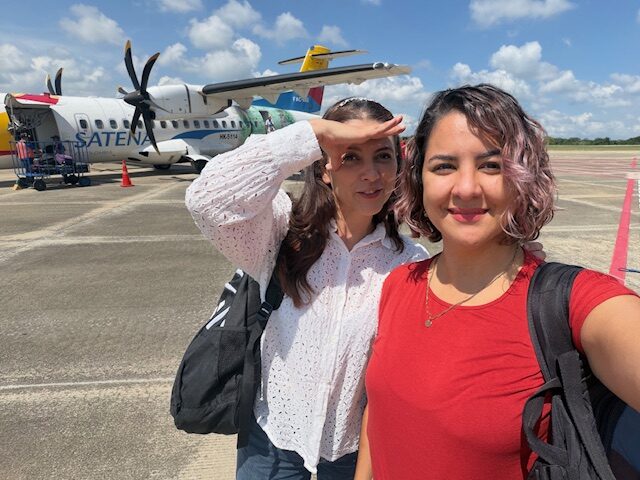
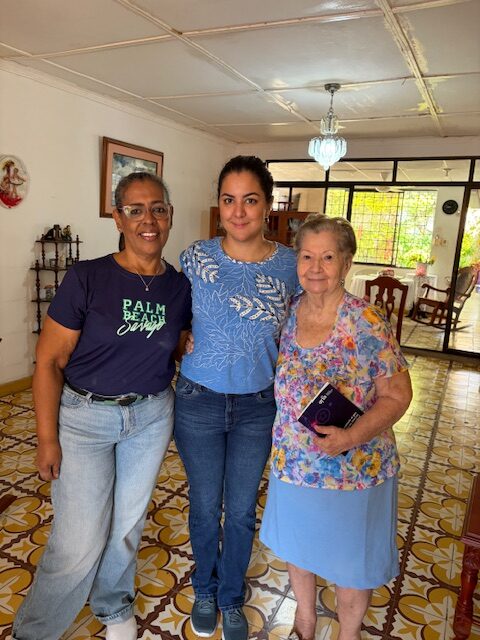
As part of Target ALS’s support, Vice President, Scientific Programs Amy Easton traveled to Medellín to observe the study in action. She witnessed neuromuscular specialists traveling to family homes across Colombia to conduct in-person clinical evaluations and collect blood samples, a model rooted in trust, accessibility, and deep community engagement.
This field-based work reflects Target ALS’s commitment to accelerating ALS research through collaboration, compassion, and science with purpose. Studies like this one are essential to building the foundation for future targeted and preventive therapeutic strategies.
The official launch of the TARDBP family study took place at the end of 2025.
Related News

A New Generation of ALS Researchers
March 9, 2026

Honoring the Women Who Carry the ALS Journey
March 5, 2026

Jacqueline Stepp's Story
March 5, 2026

A New Clue to One of the Most Common Genetic Causes of ALS and FTD
February 28, 2026