AI and ML: The Future of Target and Drug Discovery
The convergence of artificial intelligence and machine learning in biomedical research is bringing new hope to the ALS community, offering the potential to identify novel therapeutic targets and accelerate drug development in a disease where time is everything.
Artificial intelligence and machine learning now enable the rapid virtual design and testing of thousands of new molecules and the simulation of their interactions with therapeutic targets.
Leading pharmaceutical companies are investing heavily in these tools. Roche has built the largest announced GPU footprint of any pharmaceutical company, embedding accelerated computing into the core of how it discovers and develops new therapies. Eli Lilly partnered with NVIDIA to build a powerful AI supercomputer for medicine discovery and launched its TuneLab platform, backed by over $1 billion in proprietary research data, to give biotech companies access to its AI-enabled drug discovery models.
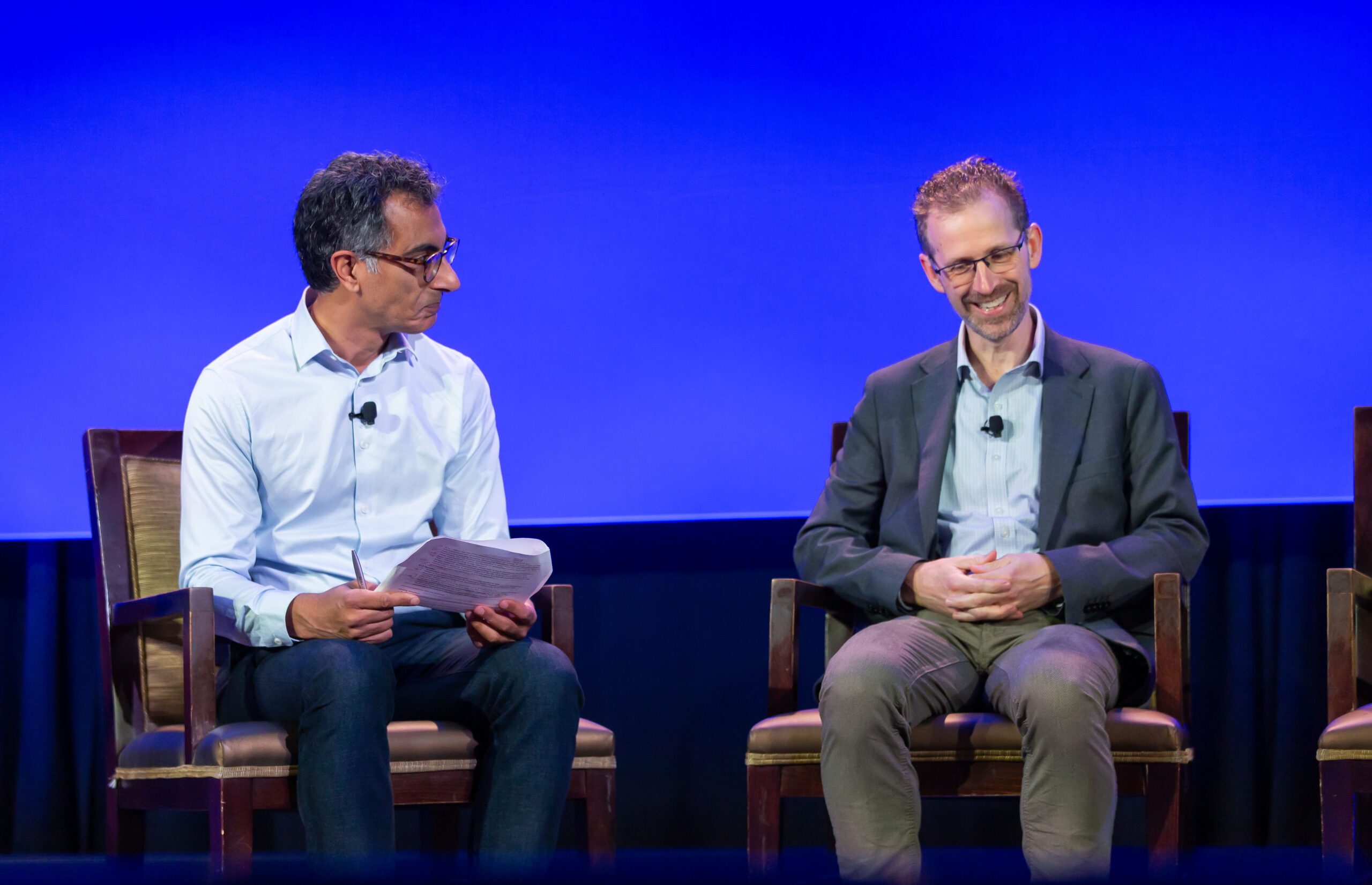
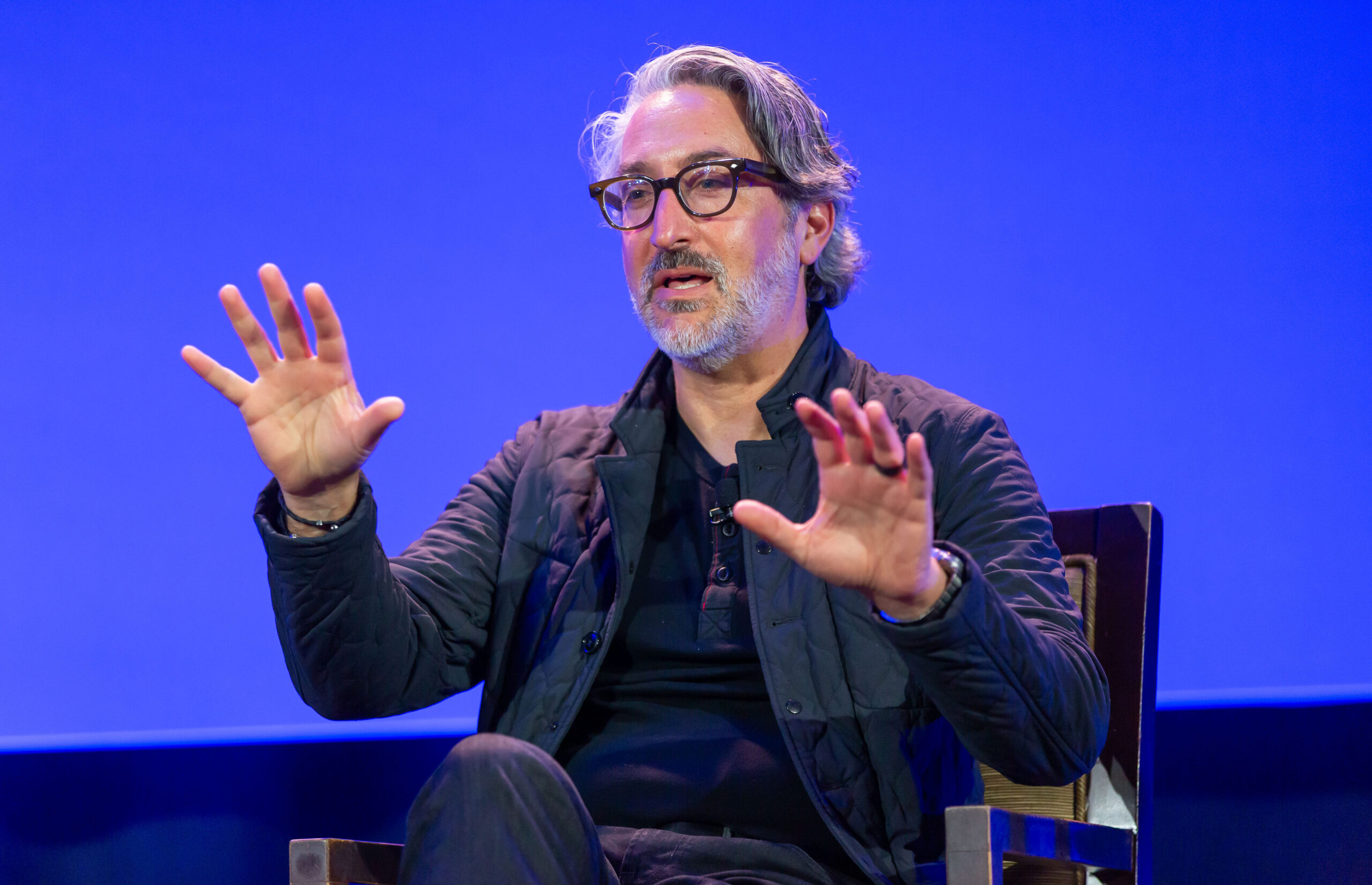
These topics and more were covered at this year’s Annual Meeting.
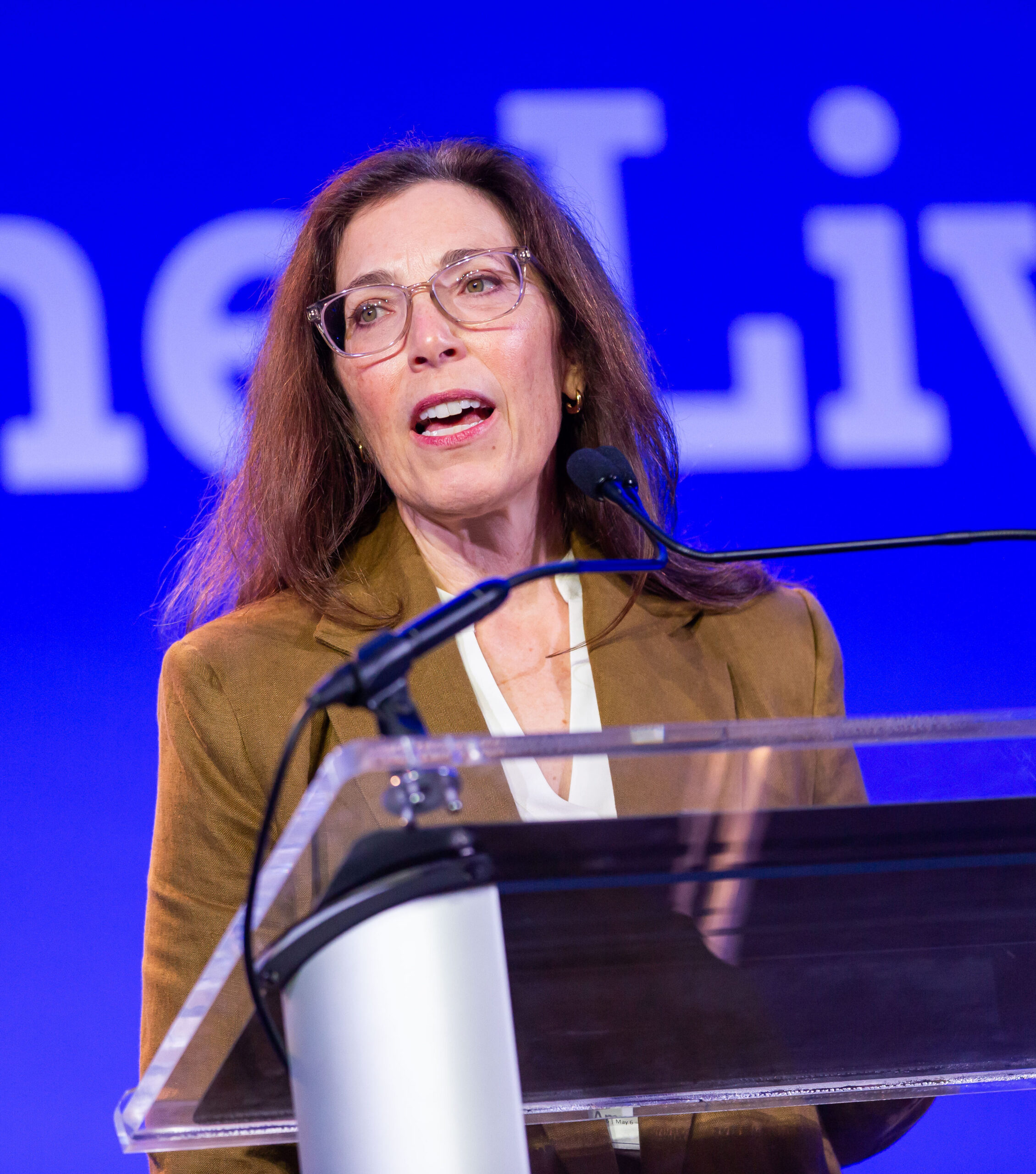
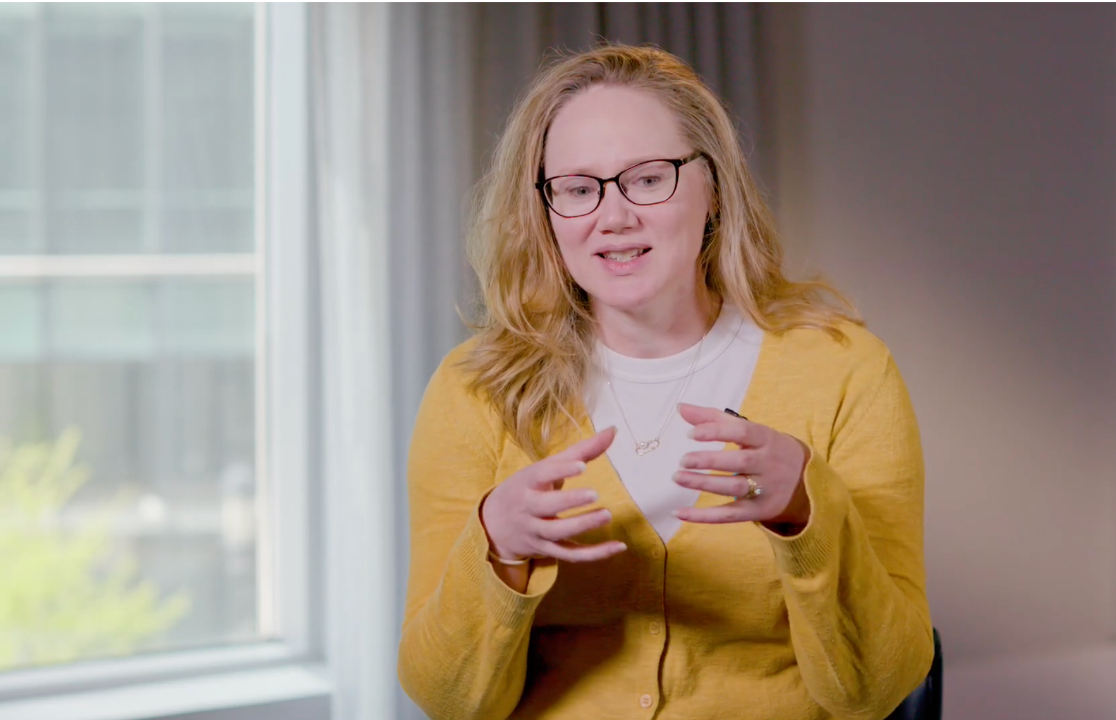
A Letter from Amy Easton, PhD, VP of Scientific Programs
The promise of AI in ALS research is real. So is the work left to do. Amy Easton, PhD, breaks down where the field stands.
Join our Community
Become a member of the Target ALS community today to drive our efforts to discover viable treatments for everyone with ALS.

Related News

Science on Target: Q3 Publications from our Innovation Ecosystem
October 7, 2026

Science on Target: Q3 Research We Enable
October 7, 2026
Science on Target: Q3 Research We Conduct
October 7, 2026
Science on Target: Q3 Research We Fund
October 7, 2026