Brenda Bucklin’s Story: Living with C9-ALS
August 10, 2026

The inheritance
“So really my story began in 1967.”
For decades, Brenda Bucklin has lived in the shadow of her family’s history marked by ALS and related motor neuron disease. As early as age seven, she recalled seeing her great-aunt in a wheelchair, but at the time she was unable to give language to it. Her aunt would eventually pass away in 1969 from a choking episode. Then, in 1997, Brenda’s father developed dysarthria.
“I remember asking him, “What’s wrong with your speech?’” she recalled. His response: “I think I have the disease my family had.”
Over time, as Brenda pieced together her family’s history, a pattern emerged. Two of her great-uncles and a great-aunt had all died from some form of motor neuron disease. Fourteen months after first noticing his slurred speech, her father died as well. At the time, testing ruled out SOD1, and C9-ALS had yet to be identified; however, the possibility that the disease might one day become part of her own story no longer felt abstract.
The realization shaped not only Brenda’s understanding of her family’s history but also the life she chose to build. Early in her relationship with her husband of 25 years, Ulrich, she told him that there was a high likelihood that she could one day develop a hereditary form of ALS. Together, they made the difficult decision not to have children.
When the possibility became reality
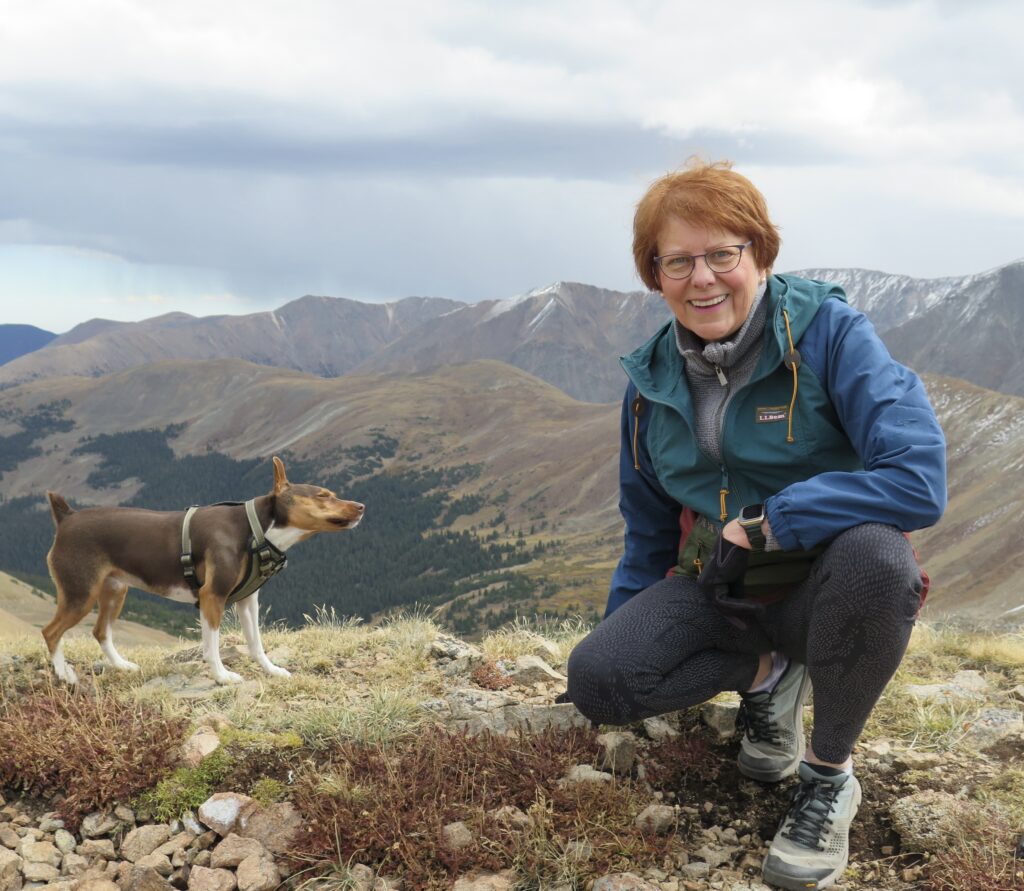
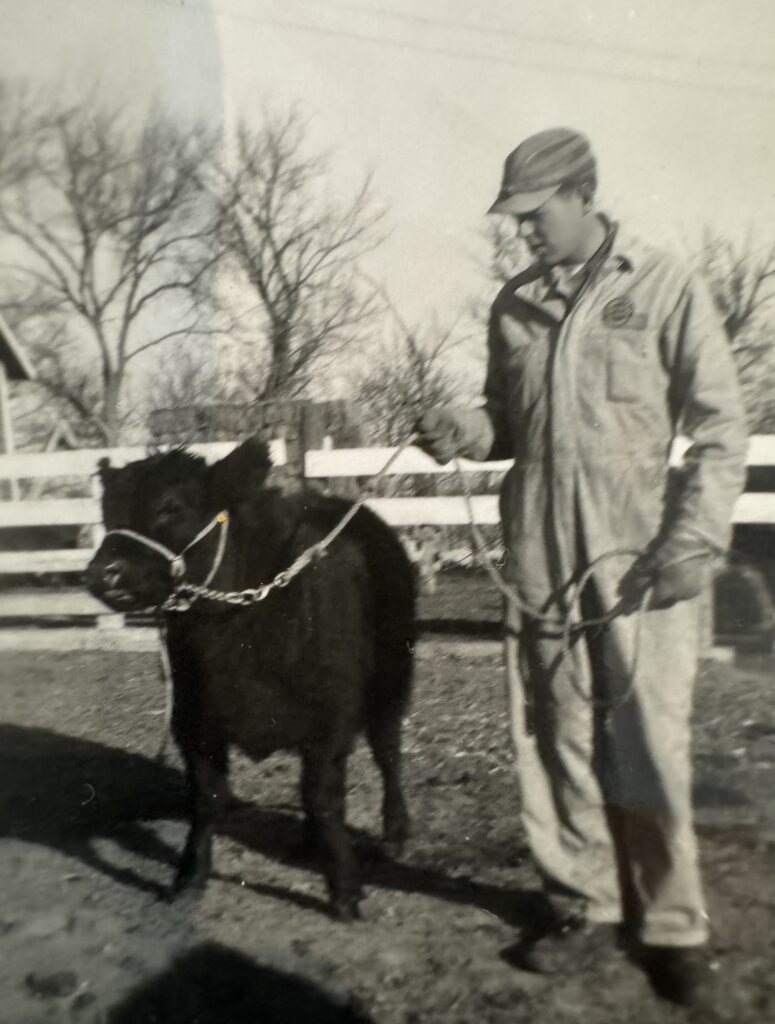
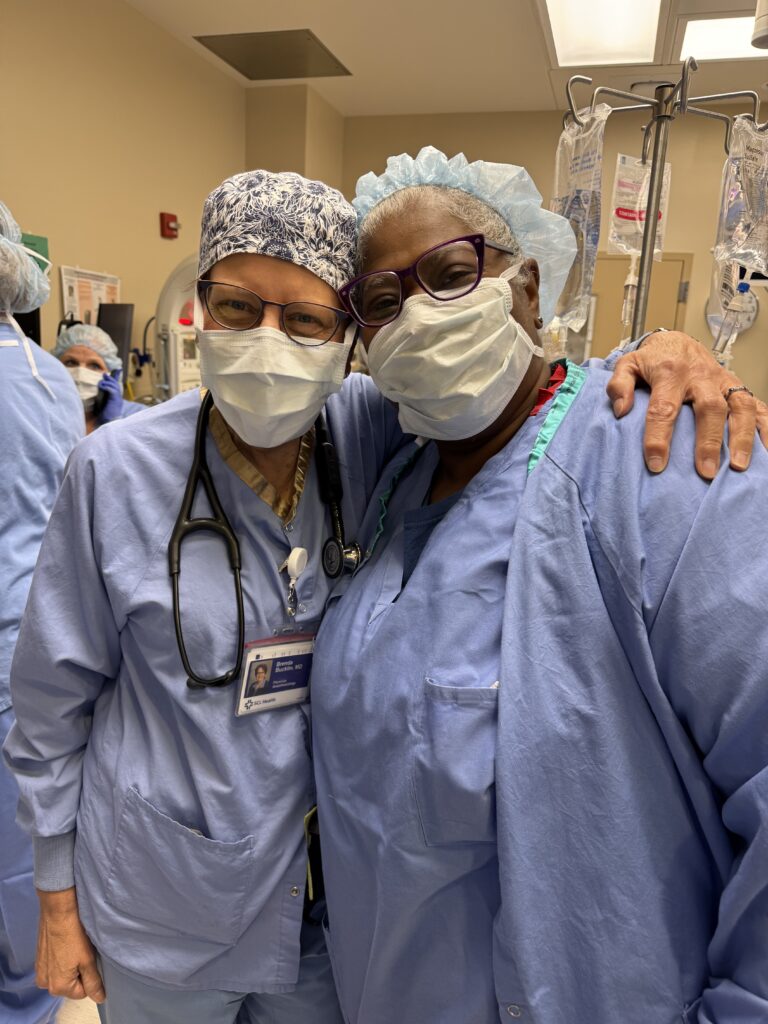
Brenda, born and raised on a farm in Nebraska, would eventually become the first in her family to attend college and then medical school. Over the next three decades, she built a career in obstetric anesthesia, dedicating herself to improving patient care, advancing medical education, and mentoring future physicians. Yet through it all, unanswered questions about the disease that had affected her family remained in the background.
Despite everything that she knew, both as a physician and through her family’s history, Brenda admits she never truly believed the disease would become a part of her own life. “I pushed it off,” she said. “I didn’t really think that it could be a possibility,” Brenda continued.
The signs were subtle at first. Brenda began leaving out words that were difficult to pronounce when speaking with patients. Over time, the changes in her speech became harder to ignore. She would eventually be diagnosed with dysarthria, the same condition her father had. In 2023, while serving as an oral board examiner for the American Board of Anesthesiology, Brenda was sent home due to slurred speech. A year later, she decided to retire. As an anesthesiologist, she knew that changes in speech could raise concerns about impairment, and she didn’t want to risk being investigated for substance abuse.
Months later, a speech pathologist noticed fasciculations in Brenda’s tongue and referred her to a neurologist for an electromyography (EMG). The EMG confirmed findings consistent with ALS. Upon learning of her family history, the neurologist suggested genetic testing, a standard of care when an inherited form of disease is suspected. Brenda consented to the test.
The empathy gap
The call came at 5:30 pm on a Friday. Her neurologist told her that she was positive for C9-ALS. “I would never as a provider make a phone call to tell someone that sort of bad news,” Brenda said.
She was immediately referred to palliative care and pulmonary, and recalls the pulmonologist at the end of the meeting saying that they were observing her for other bulbar symptoms. The appointments answered some questions, but left many others unresolved.
Her next step felt instinctive. She turned to reading the scientific literature, hoping to understand better what her diagnosis meant. A 2025 review article by Adrian Isaacs and Rosa Rademakers, who are now collaborating on Target ALS-funded research on C9-ALS, became an important turning point, helping her gain clarity on C9-ALS and the concept of variable penetrance.
“It was the start of hope,” she reflects.
While the review article didn’t answer every question Brenda had, it gave her a place to begin. She started attending conferences, wrote a comment piece in response to a New York Times article, and even got in touch with the author, who, like Brenda, was a Johns Hopkins alumna. “I wanted to know if I was asking the right questions and connecting with the most knowledgeable providers,” she said.
As she learned more about C9-ALS, Brenda wanted to know how many repeat expansions she carried and requested another genetic test. She expected the test to answer one question, but instead it raised another. The report initially found no disease-causing variants. Even the genetic counselor was surprised. “How could that be?” they asked. The results were reviewed, and a corrected analysis confirmed Brenda’s diagnosis of C9-ALS.
“It’s been an emotional rollercoaster,” Brenda admits.
The experience also changed the way Brenda thought about medicine itself. As a physician, she knew how to read the scientific literature, interpret the evidence, and advocate for herself. She also recognized that many people facing the same diagnosis would not have those advantages.
“What happens to them?” she wondered.
While Brenda is quick to acknowledge the pressures facing healthcare providers, she also believes that delivering difficult news requires more than clinical expertise.
“Empathy and knowledge are key,” she said. “If it were one of their family members or friends, would my providers have done things differently?”
Her experience has also shaped the way she thinks about the next generation of medical professionals, particularly those entering neurology. Improving care, Brenda believes, begins with how physicians are mentored and trained.
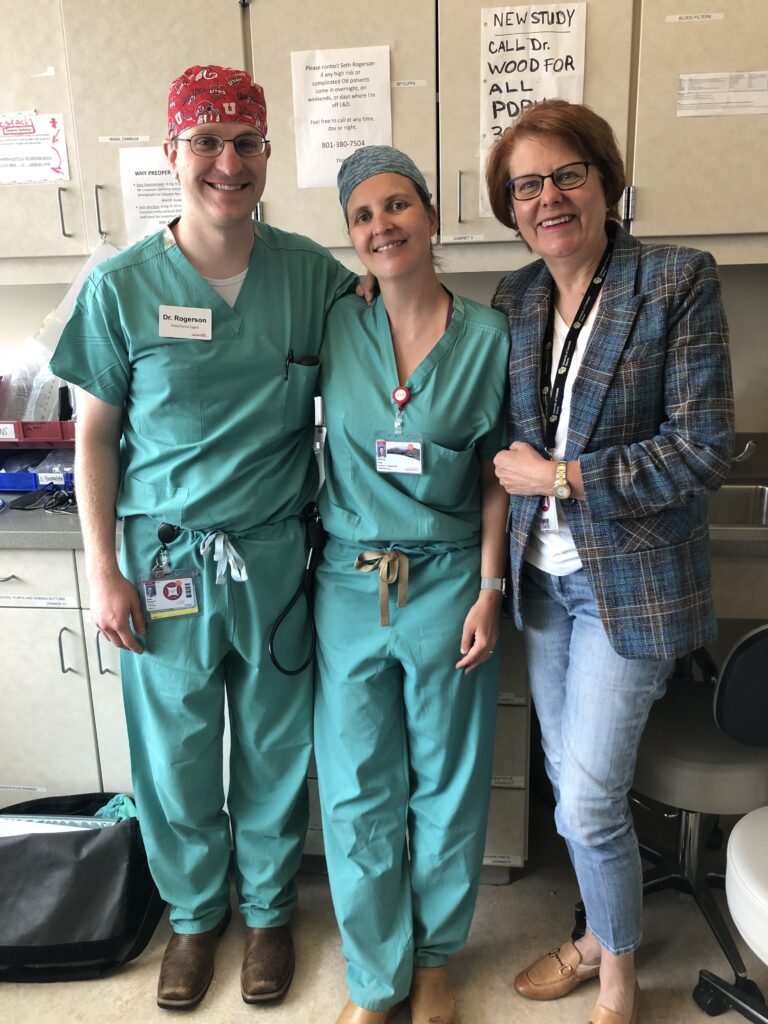
Looking back, Brenda says she left many of her early appointments without a clear understanding of what C9-ALS even was. “They didn’t educate me about C9 disease,” she recalled. “I didn’t know what questions to ask.”
A new perspective
In the summer of 2026, Brenda’s neurologist ordered another EMG to compare with an earlier study conducted by another physician. The results showed no significant change, and after reviewing them, her neurologist told her, “I don’t want to see you for a year.”
Upon hearing this news, Brenda was overjoyed but cautiously optimistic.
“The experience has been life-changing,” she said. “I can’t imagine what it’s like for people who don’t have the resources I have.”
Today, Brenda’s attention has shifted toward helping shape what comes next. One such moment came during a visit to Dr. Claire Clelland’s laboratory, whose C9-ALS research is supported by Target ALS. Seeing the work up close was an experience Brenda described as especially meaningful. Watching researchers investigate the complexities of C9-ALS validated years of her own investigation and determination to find answers. She was also struck not only by the science in Dr. Clelland’s lab but also by the way she mentored young scientists tackling the difficult questions needed to address ALS. “Dr. Clelland’s connection with patients and knowledge about C9 disease are remarkable.”
When asked what life looks like now, Brenda shared, “I live in the present and don’t take health for granted.”
She is grateful to her supportive husband and shares that she has so much she wants to do in the future to raise awareness of the disease and provide resources for people living with ALS.
Related News

What are biomarkers in ALS research?
September 16, 2026

TDP-43: What It Is and Why It Matters in ALS
September 16, 2026
Building the Data Foundation for AI-Driven ALS Drug Discovery
August 25, 2026