About a third of our funded portfolio is focused on drug discovery: projects aiming to bring effective therapies into the clinic. To date, 13 clinical trials have been launched from research supported by Target ALS. We expect that number to grow as we continue taking bold bets on science with high potential and advancing work rooted in fundamental ALS biology through the drug discovery pipeline.
The Annual Meeting moment: QurAlis presents new data from ANQUR study
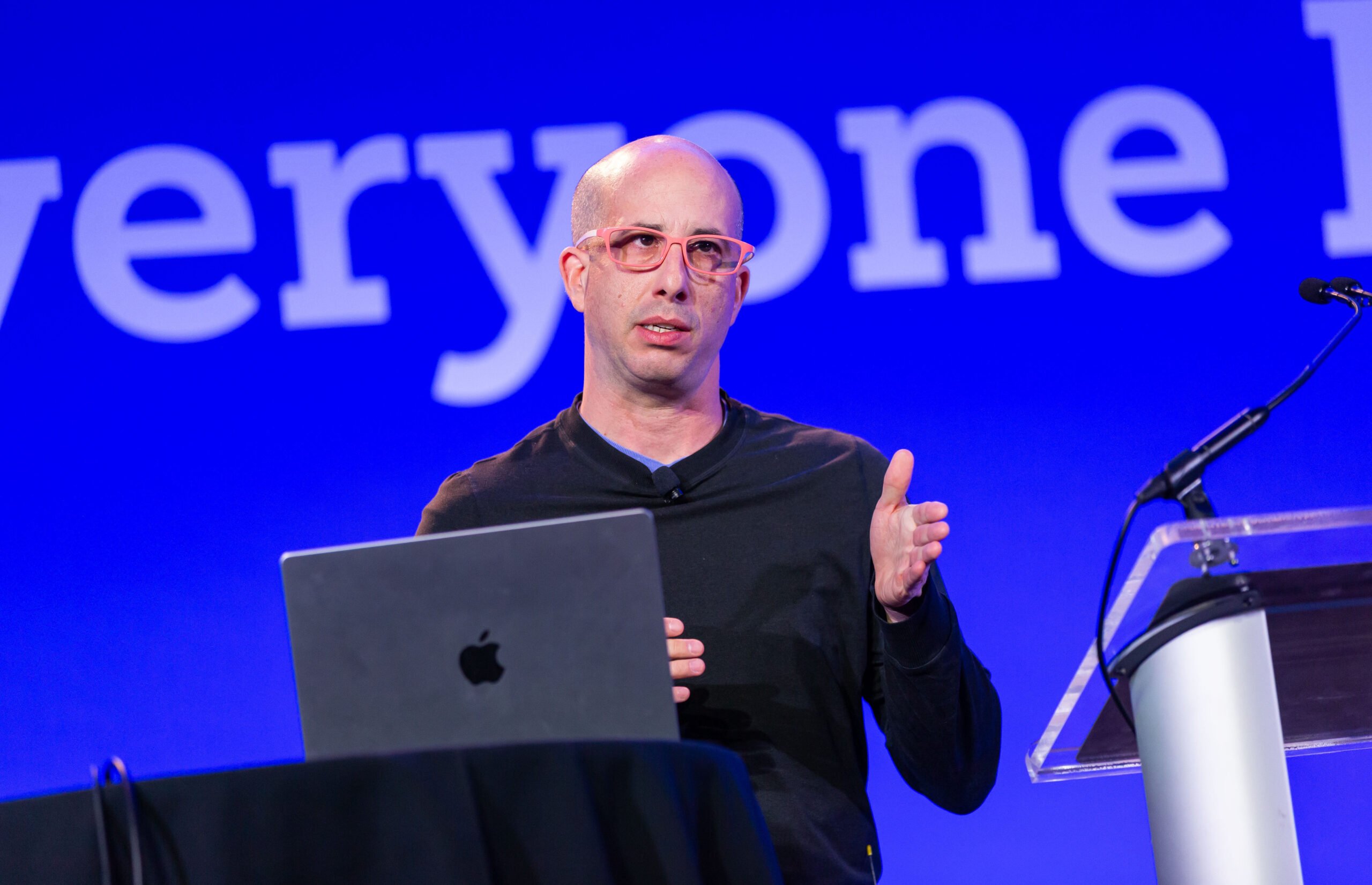
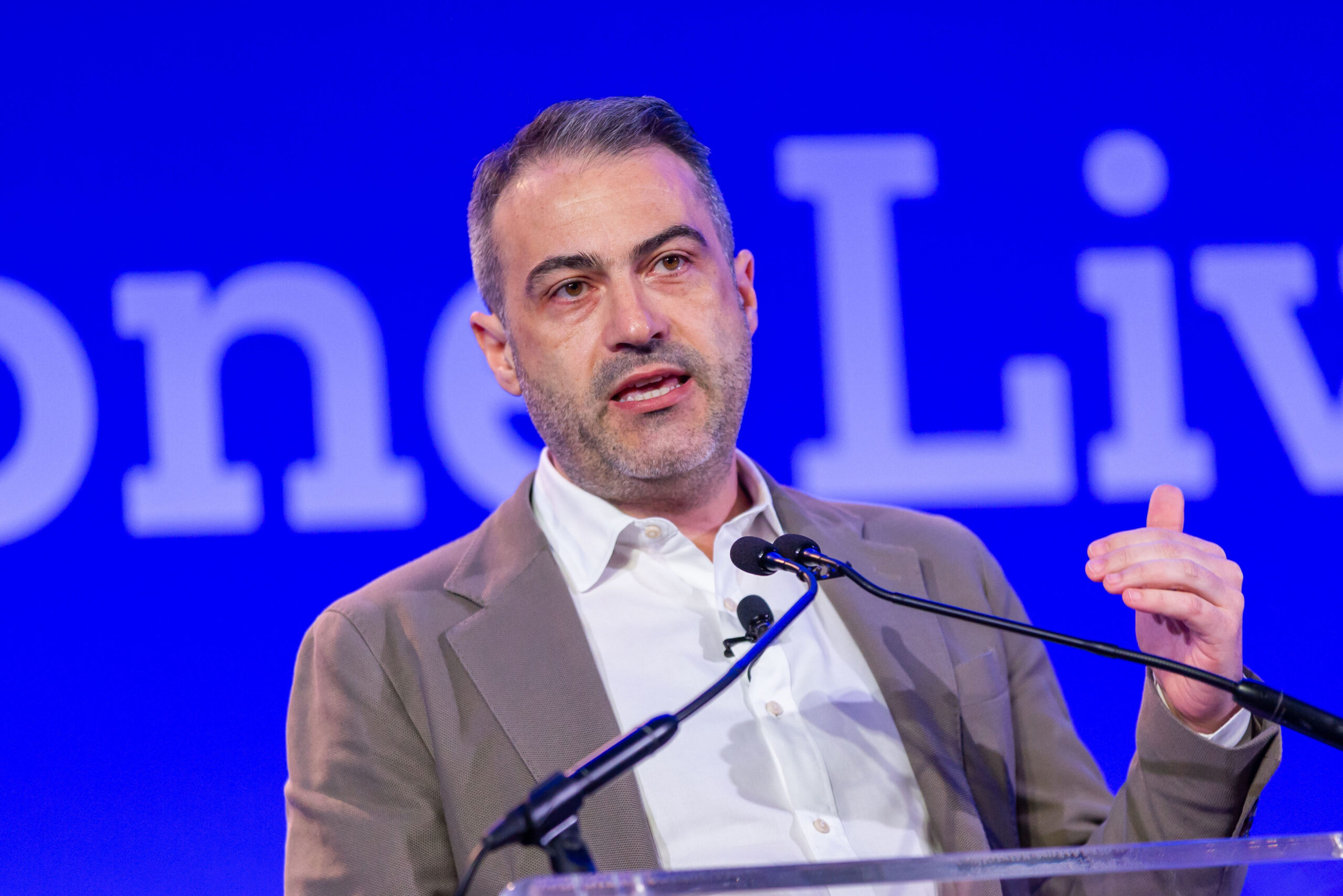
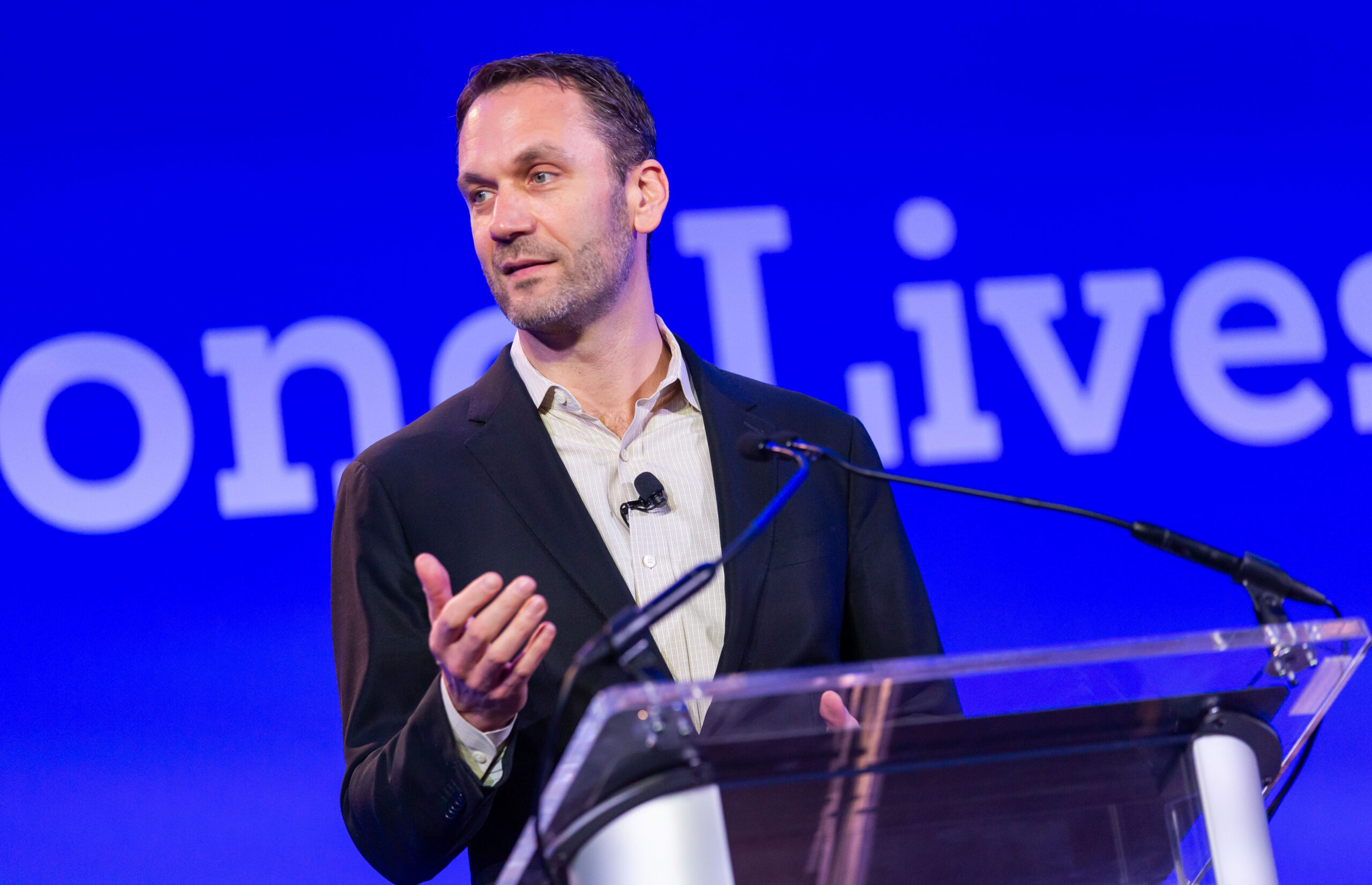
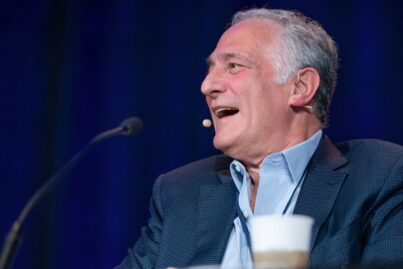
Dr. Kasper Roet, QurAlis CEO & Co-Founder, on QRL-201
In 2020, Target ALS funded a consortium led by QurAlis to study Stathmin-2 as a drug target. Two years later, they launched the ANQUR clinical trial. Today, they’re sharing that their treatment is demonstrating a positive effect on disease progression. What does this teach us? First, our model helped to accelerate a process that traditionally takes a decade or more. And, second, research rooted in strong fundamental biology has the potential to make a real impact on disease.
The standout moment of the meeting was when QurAlis presented new interim data from their Phase 1/2 ANQUR clinical trial. Their drug candidate, QRL-201, is an antisense oligonucleotide (ASO) therapy to restore Stathmin-2, a protein vital to structural integrity of neurons and proper muscle innervation. Chief Executive Officer Kasper Roet walked attendees through the interim analysis, which demonstrated two positive effects in a small cohort of people with sporadic ALS:
Slowing of disease progression on the ALS Functional Rating Scale–Revised (ALSFRS-R)
Reductions in neurofilament levels
In addition, the analysis shed light on the dynamics of neurofilaments in blood and cerebrospinal fluid (CSF), showing earliest changes in CSF and later changes in blood. By sharing these insights publicly, QurAlis offered meaningful guidance for optimizing clinical trial design to peers across the field.
Trace Neuroscience Prepares for Clinical Trial
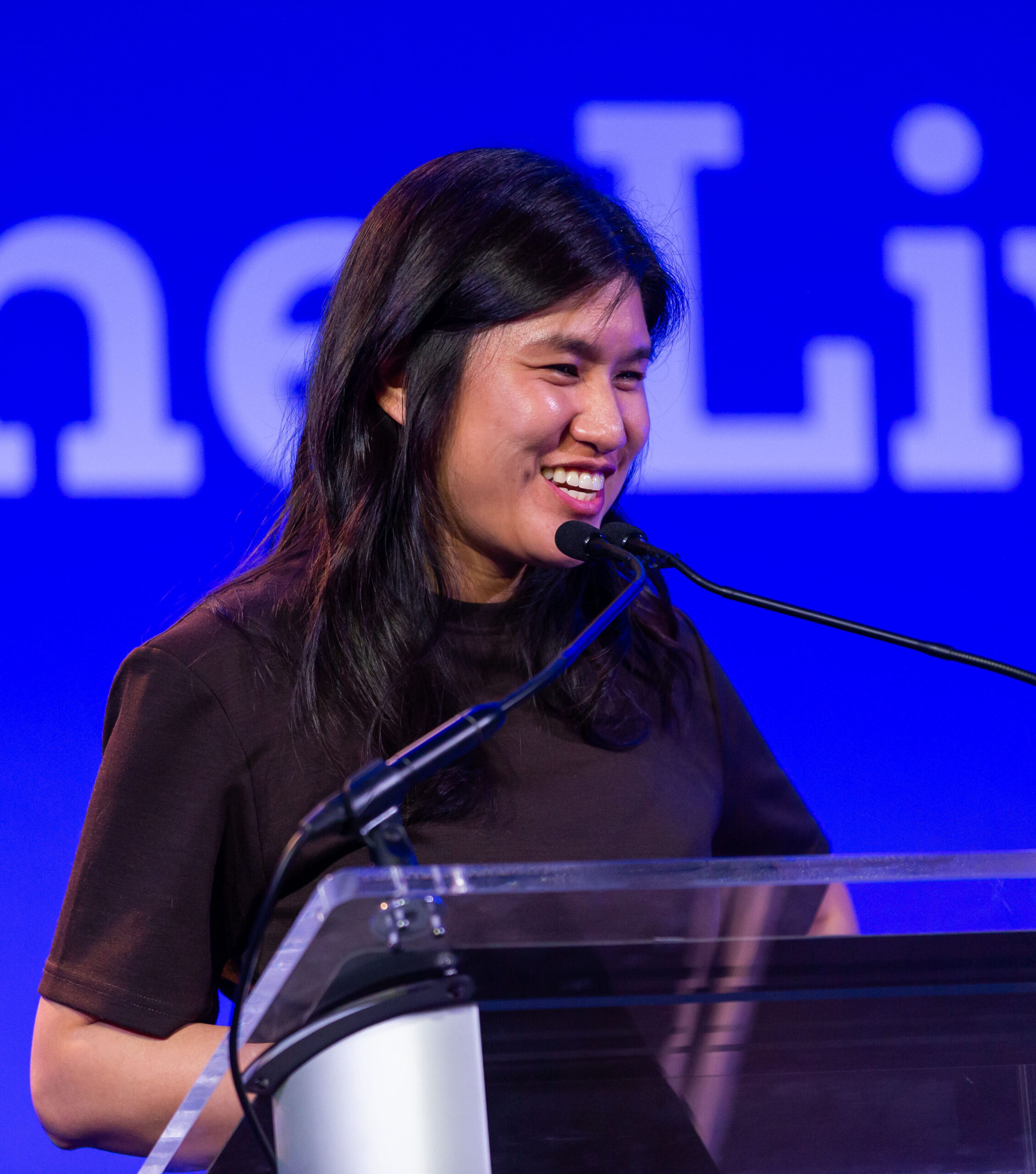
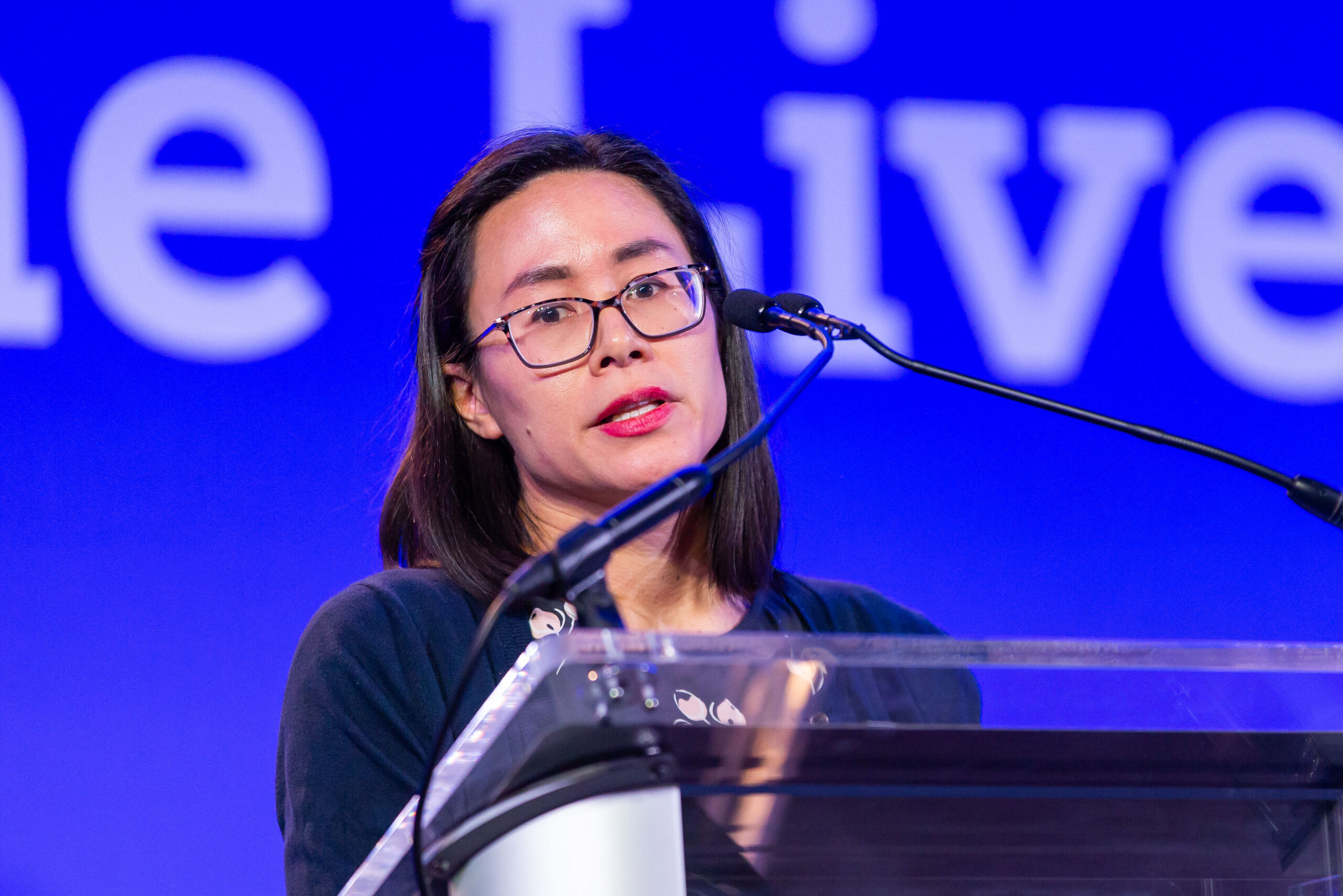
Terry Fang, PhD (Trace Neuroscience), presented on their ASO treatment aimed at restoring UNC13A, a protein critical to neurotransmitter release. Citing meaningful advances towards the clinic, the company plans to launch a Phase I clinical trial later this year. Like QurAlis, Trace represents another early-stage investment by Target ALS in an ASO-based startup — a reflection of our continued commitment to backing high-potential therapeutic approaches from the ground up.
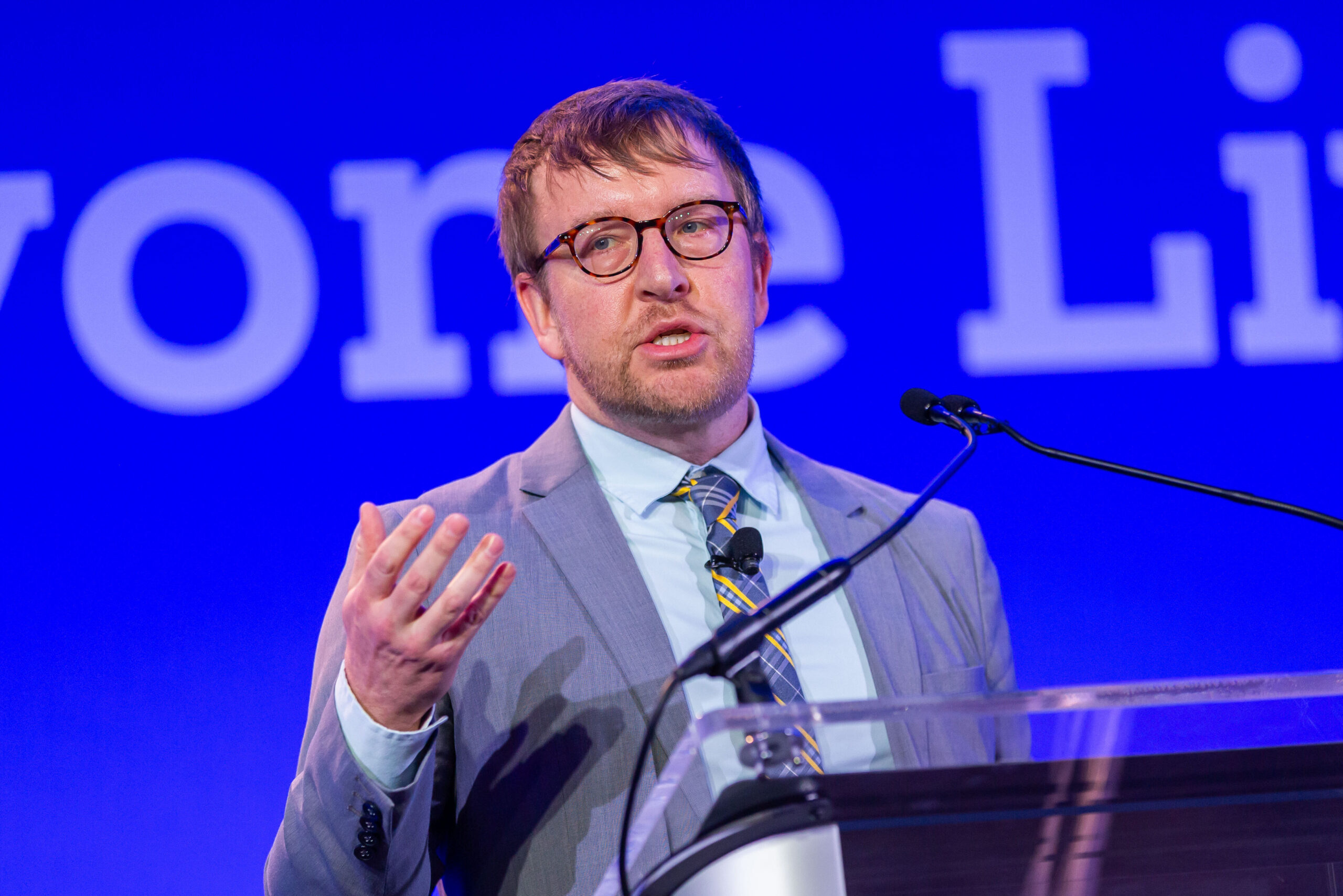
Dr. Aaron Gitler shares how collaboration speeds discovery
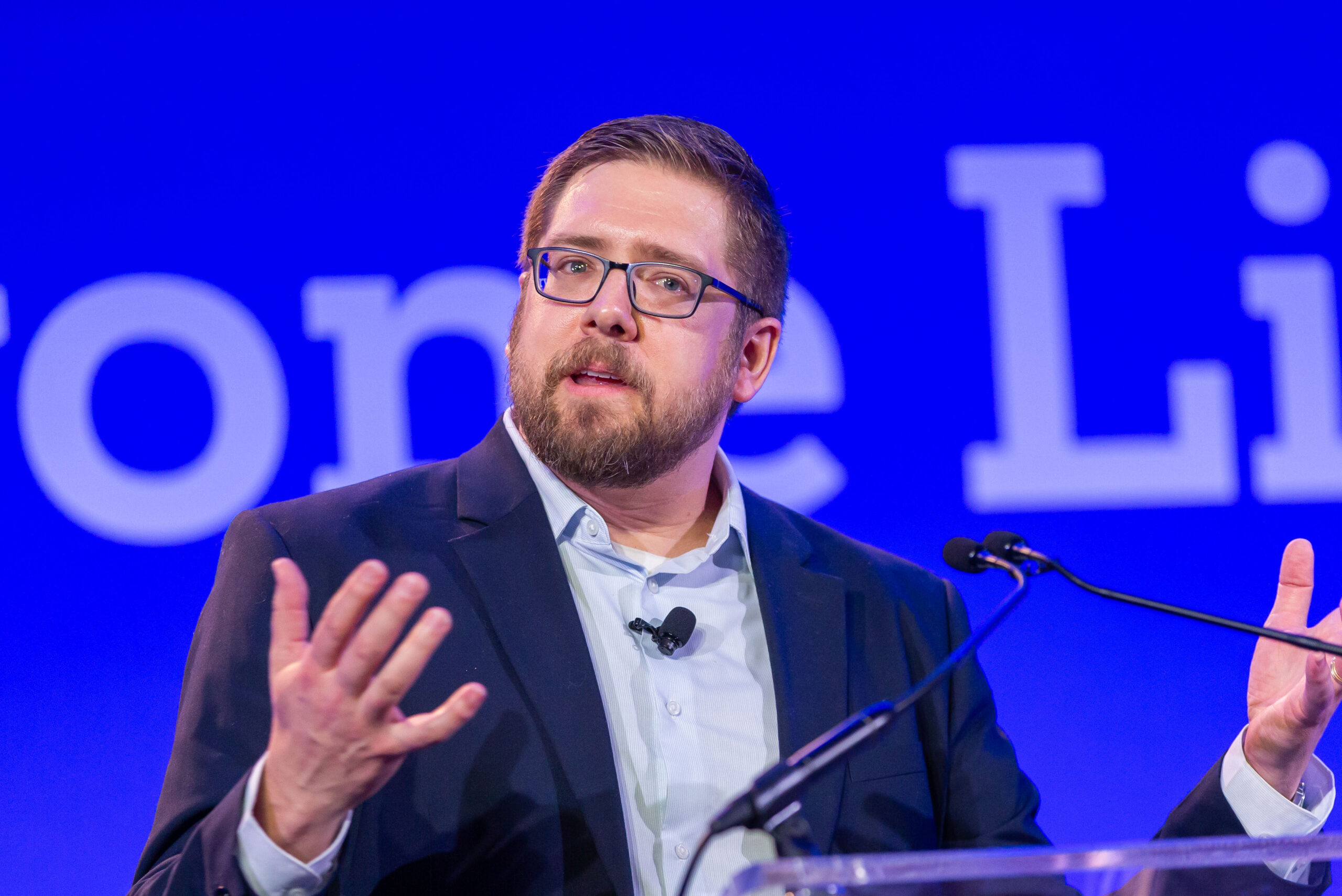
Dr. Aaron Gitler from Stanford University shares a remarkable story of scientific momentum: work from his first Target ALS-funded consortium 13 years ago has evolved from studying RNA-binding proteins to developing a viable therapeutic strategy for ALS. Four years ago, his team published a paper sharing that the loss of TDP-43 in the nucleus of cells causes a cryptic exon to be inserted into UNC13A messenger RNA, which prevents the protein from being produced and is linked to ALS. The consortium developed antisense oligonucleotides (ASOs) to block this process, validating them in a custom mouse model engineered with the human version of UNC13A. Now, they’re launching a clinical trial. Dr. Gitler reflects on how Target ALS’s model of open collaboration between academia, biotech, and clinical experts made this speed possible, and why the success of the recently FDA-approved SOD1 ASO therapy, tofersen, proves ALS can be treated.
Key Takeaway: While both QurAlis and Trace have employed an ASO strategy, their targets, Stathmin-2 and UNC13A, represent distinct biology important to motor neuron health. Therefore, if successful, the two therapies are likely to benefit patients in meaningfully different and potentially complementary ways. Looking ahead, we can envision a suite of effective treatments that work together to provide people with ALS long, quality lives.
Maximizing Impact: A Dual-Action Approach for ASOs
ASOs hold immense promise as treatment strategies for ALS and many other diseases. However, scientists still face hurdles in maximizing the impact of these molecules.
Meet the team
Drs. Evangelos Kiskinis (Northwestern University), Jonathan Watts (UMass Chan Medical School), and Damon Wang and Joseph Klim (NuCyRNA Therapeutics) are developing a novel technology that combines an ASO with small interfering RNAs (siRNAs), allowing a single drug to tackle two targets. In animal models, this dual-targeting technology provided the unique flexibility to address more than one aspect of disease biology simultaneously and was both a safer and more effective alternative to ASOs alone.
Key Takeaway: This drug design would enable combination treatment in a single molecule, allowing for less frequent dosing and a greater, longer-lasting benefit for patients. By investing in next-generation technology, we are advancing a new wave of safer, more effective potential treatments for ALS.
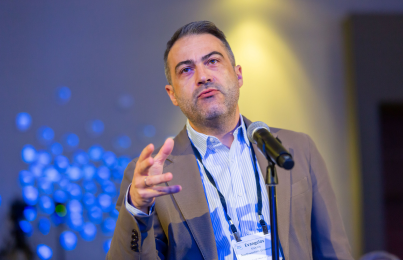
Learn more from Dr. Evangelos Kiskinis
Dr. Evangelos Kiskinis, Associate Professor of Neurology and Neuroscience at Northwestern University, reflects on nearly 20 years in ALS research and why he’s more optimistic than ever. He discusses how Target ALS has transformed the field by democratizing access to stem cell lines, biofluids, and large omics datasets, while bridging the gap between academic scientists and therapeutic developers. He also highlights his current Target ALS-supported modality consortium, combining his lab’s disease modeling expertise with RNA oligonucleotide technology and translational work from NuCyRNA Therapeutics, as a model for how collaborative science can move treatments toward the people who need them faster.
Making (Anti) Sense of C9: Targeting the Most Common Genetic Cause
The most common genetic cause of ALS is a mutation in the C9orf72 gene, accountable for up to 40% of familial ALS cases. Since the identification of this mutation in 2011, scientists have explored different avenues to tackle it. One approach aims to target the buildup of toxic RNA.
To create proteins, DNA is read and transcribed into molecules called RNA, which are then translated to proteins. During this process, two RNA strands are created, called the sense and antisense strands. In C9 ALS, the sense and anti-sense strands are not formed properly, as they are created from the repeat expansion in the DNA. Buildup of these aberrant strands of RNA can be toxic. But which strand is responsible for that toxicity? Sense or antisense? Which strand should we target?
Meet the team
Drs. Jeffrey Rothstein (Johns Hopkins), Alyssa Coyne (Johns Hopkins), Amanda Guise (Biogen), and Paymaan Jafar-Nejad (Ionis Pharmaceuticals) have come together to answer these questions. After earlier work developing an ASO targeting the sense strand wasn’t successful, the team pivoted to focus on the antisense strand. They developed new antisense ASOs, which have demonstrated encouraging preclinical data. Repeat dosing was effective and well-tolerated in cell and animal models.
Key Takeaway: The C9 mutation is not only responsible for the majority of genetic ALS cases, but also causes another neurodegenerative disease called Frontotemporal Dementia (FTD). After trial and error, this consortium is making headway with a treatment that may have a major impact on ALS and beyond.
Unraveling TDP-43: Small Molecules That Pack a Punch
Dr. Morwena Latouche (Paris Brain Institute) presenting at the Target ALS Annual Meeting
Drs. Morwena Latouche (Paris Brain Institute), Emanuele Buratti (International Centre for Genetic Engineering & Biotechnology), Jean-Christophe Cintrat (Commissariat à l’énergie Atomique et aux Énergies Alternatives), and Olivier Sperandio (Institut Pasteur) are working together to counteract TDP-43 aggregation. Leveraging artificial intelligence to conduct rapid screens, paired with expertise in structural biology and chemistry, the consortium has identified small molecules that can break apart toxic TDP-43 clumps. Early experiments in cell models demonstrate that their lead candidate successfully disaggregates these clumps and improves related harmful effects. With this encouraging data, the consortium recently filed a patent application on their lead candidate and plans to perform pre-clinical evaluations necessary to move into human testing.
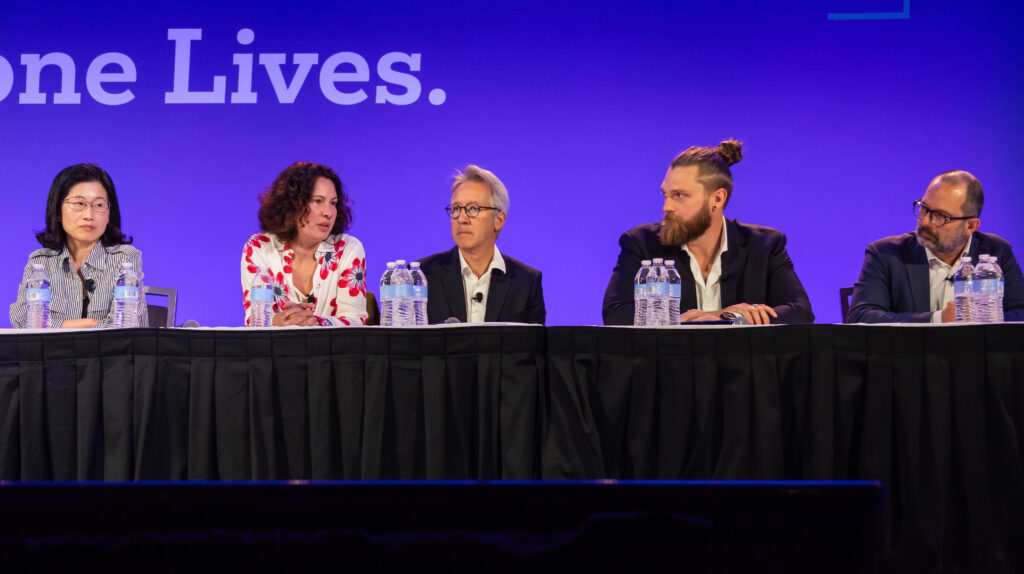
Dr. Morwena LaTouche and her collaborators during the Q&A session following their presentations, moderated by Target ALS Independent Review Committee member Dr. Choya Yoon.
Restoring the Relationship Between Tankyrase and TDP-43
Leeanne McGurk (University of Dundee), a Target ALS New Academic Investigator, is studying the interaction between the proteins Tankyrase and TDP-43. Her research has found that Tankyrase prevents TDP-43 from binding to RNA. Without this ability, TDP-43 behaves abnormally, as seen in the majority of ALS cases, ultimately driving motor neuron damage. Dr. McGurk aims to restore normal interaction between Tankyrase and TDP-43. She’s in the early stages of developing compounds that inhibit Tankyrase from binding to TDP-43 to restore normal function.
Key Takeaway: Both of these projects began by asking fundamental questions about the hallmark of ALS: TDP-43 pathology. By supporting these investigators’ early stage work on basic biology, their research has evolved into drug discovery programs developing potential treatments for one of ALS’ most common culprits.