
Family Ties: One Mutation, Vastly Different Outcomes
For decades, Colombia has been at the center of major genetic discoveries in neurodegenerative disease — beginning with the world’s largest family affected by early-onset Alzheimer’s Disease. Dr. Juliana Acosta-Uribe and her collaborators are now building on that legacy, working to answer some of the most pressing questions we have about ALS and Frontotemporal Dementia (FTD).
Meet the team
A collaboration led by geneticist Juliana Acosta-Uribe (UC, Santa Barbara) with Kenneth Kosik (UC, Santa Barbara) and David Aguillón (University of Antioquia) aims to understand why members of large multi-generational families carrying the same mutation have different clinical trajectories. In 2022, the group published the results of a large-scale genomic study in which they identified an extended family carrying a specific mutation in the TARDBP gene. This mutation is one of many causes of the TDP-43 dysfunction we see in 97% of ALS cases and around 50% of FTD cases.
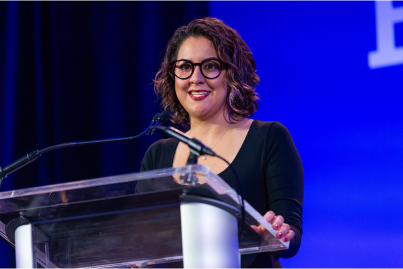
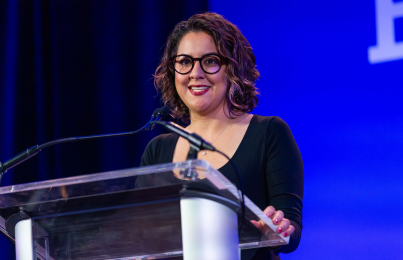
Juliana Acosta-Uribe
University of California, Santa Barbara
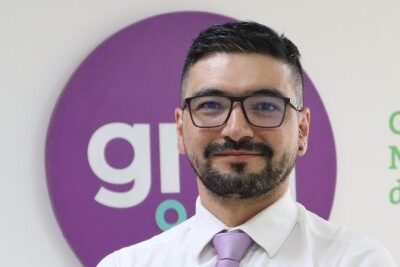
David Aguillon
University of Antioquia, Colombia
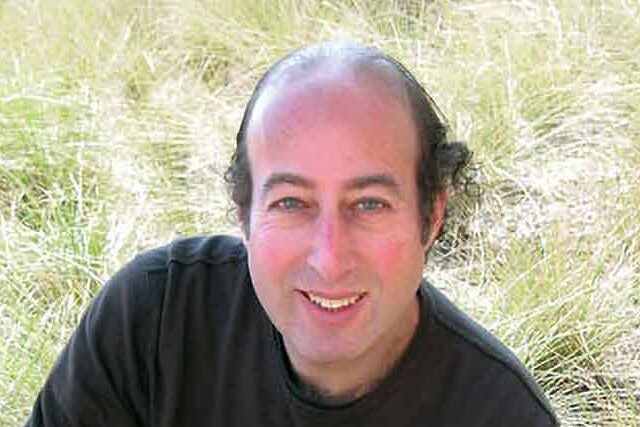
Kenneth Kosik
University of California, Santa Barbara
In 2022, the group published the results of a large-scale genomic study in which they identified an extended family carrying a specific mutation in the TARDBP gene. This mutation is one of many causes of the TDP-43 dysfunction we see in 97% of ALS cases and around 50% of FTD cases.
Since then, four additional families with the same mutation have been discovered in the Colombian population. Upon evaluation of at least 50 individuals from these families, the research team observed significant variability in how the mutation is expressed. Remarkably, some family members develop symptoms of ALS or FTD, and others experience healthy aging. By analyzing clinical assessments and biofluids collected over time, along with brain and spinal cord tissue and stem cell models from these family members, the scientists plan to determine the genetic and molecular factors that lead to these varied clinical presentations. At the Annual Meeting, the team shared data highlighting changes in genes implicated by TDP-43 dysfunction long before the TDP-43 aggregates, indicating other factors may influence disease onset.
One family, many outcomes
“Even siblings with the exact same mutation present with very different clinical phenotypes. That variability tells us there are other genetic, molecular, or environmental factors at play — and we want to find out what they are.”

Why it matters for all ALS cases
This study is uniquely positioned to reveal novel insights about ALS by studying an identical mutation expressed among family members. Researchers can better understand the effect of both environmental and biological factors contributing to the disease and potentially better inform biomarker and drug development.
From the field: Medellín
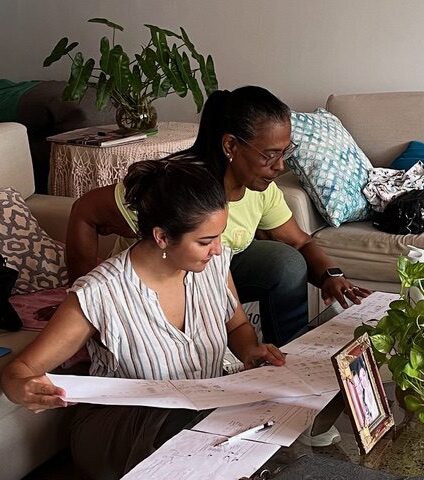
As part of Target ALS’s support, Vice President of Scientific Programs Amy Easton traveled to Medellín to observe the study in action. She watched neuromuscular specialists travel to family homes across Colombia to conduct in-person clinical evaluations and collect blood samples — a model rooted in trust, accessibility, and deep community engagement.
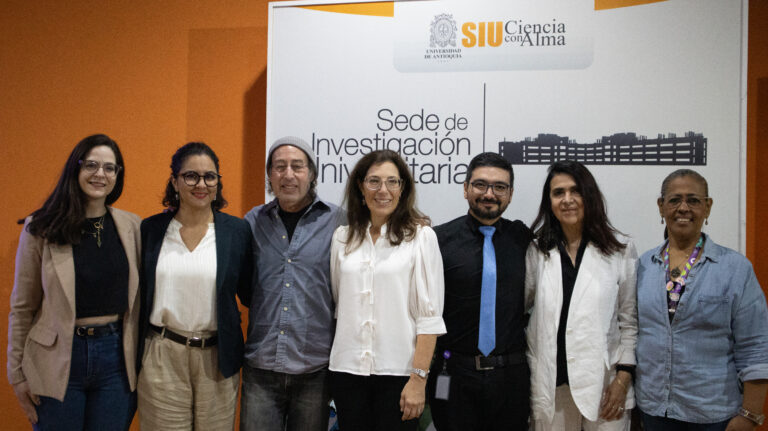
This field-based work reflects Target ALS’s commitment to accelerating ALS research through collaboration, compassion, and science with purpose. Studies like this one are essential to building the foundation for future targeted and preventive therapeutic strategies.
Join our community
Become a member of the Target ALS community today to drive our efforts to discover viable treatments for everyone with ALS.

Related News


Q1 2026 Grants & Funding Opportunities Update
March 31, 2026

A New Clue to One of the Most Common Genetic Causes of ALS and FTD
February 28, 2026