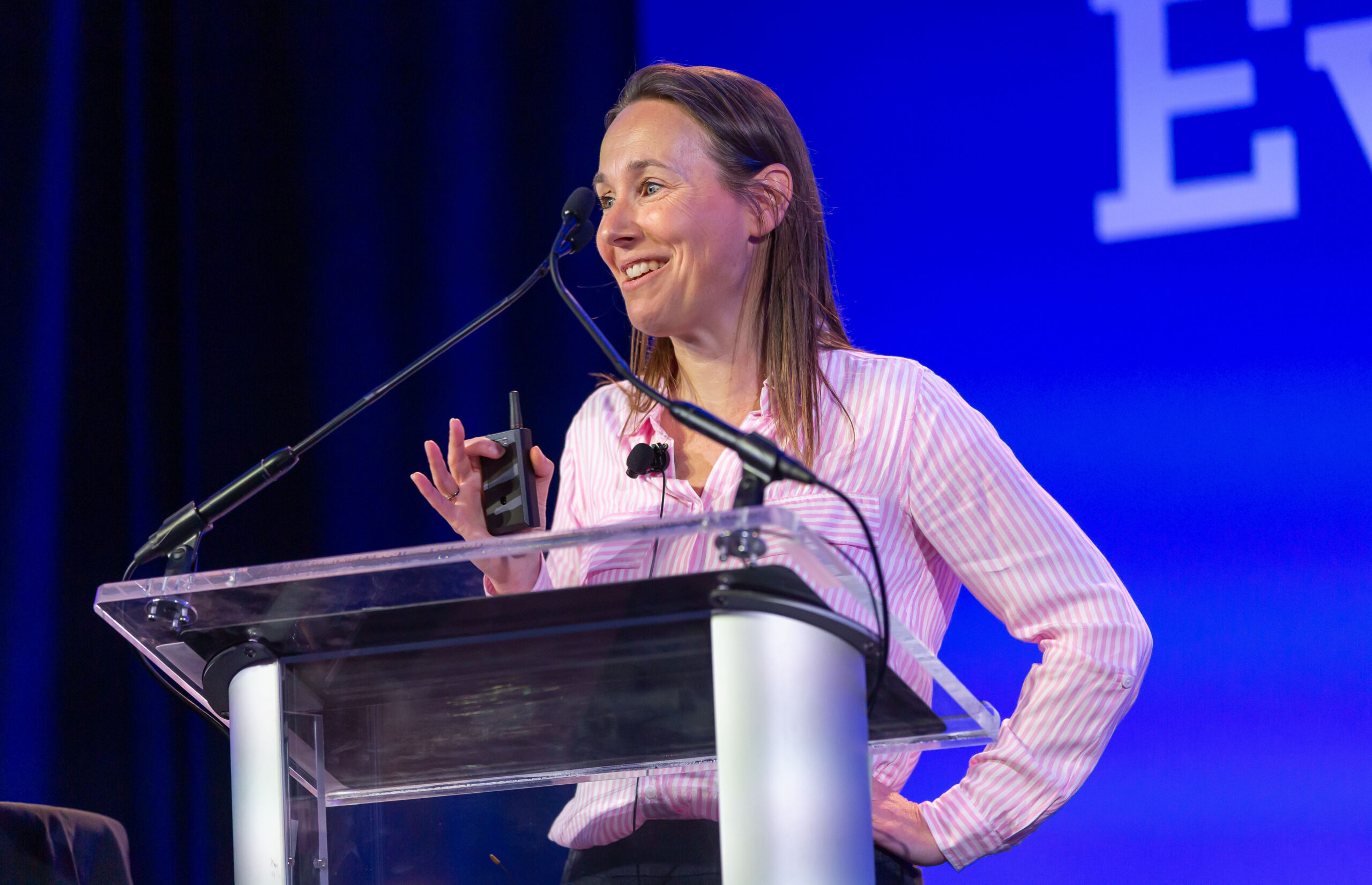
Deciphering the Complexities of C9 ALS
In 2025, we set out to fill a gap in our collective understanding of the genetic architecture of ALS. At this year’s Annual Meeting, two powerhouse consortia we brought together to tackle this challenge presented early advances in their research to understand the role of genetics in disease, including this group’s work on C9 ALS.
In 2011, Dr. Rosa Rademakers (VIB) and her team first identified the repeat expansion mutation in C9orf72 as a major genetic driver of ALS and FTD. However, since this breakthrough, scientists have been stymied by the complexity of this mutation and the wide-ranging differences in how the disease presents across people who carry it. We’ve learned that repeat expansion length varies between individuals, across generations of families, and even between blood and brain samples from the same individual. While the target is in our sights, these complexities have led to several failed clinical trials.
To accelerate therapeutic development, we brought together a powerhouse collaboration led by Dr. Rademakers with colleagues Renzo Mancuso (VIB), Marka Van Blitterswijk (Mayo Clinic, Florida), and Adrian Isaacs (University College London). This team’s complementary expertise across ALS and FTD, genetics and molecular biology of the C9orf72 repeat expansion, and deep technical knowledge uniquely positions them to determine the genetic drivers of neurodegeneration in C9 ALS and FTD.
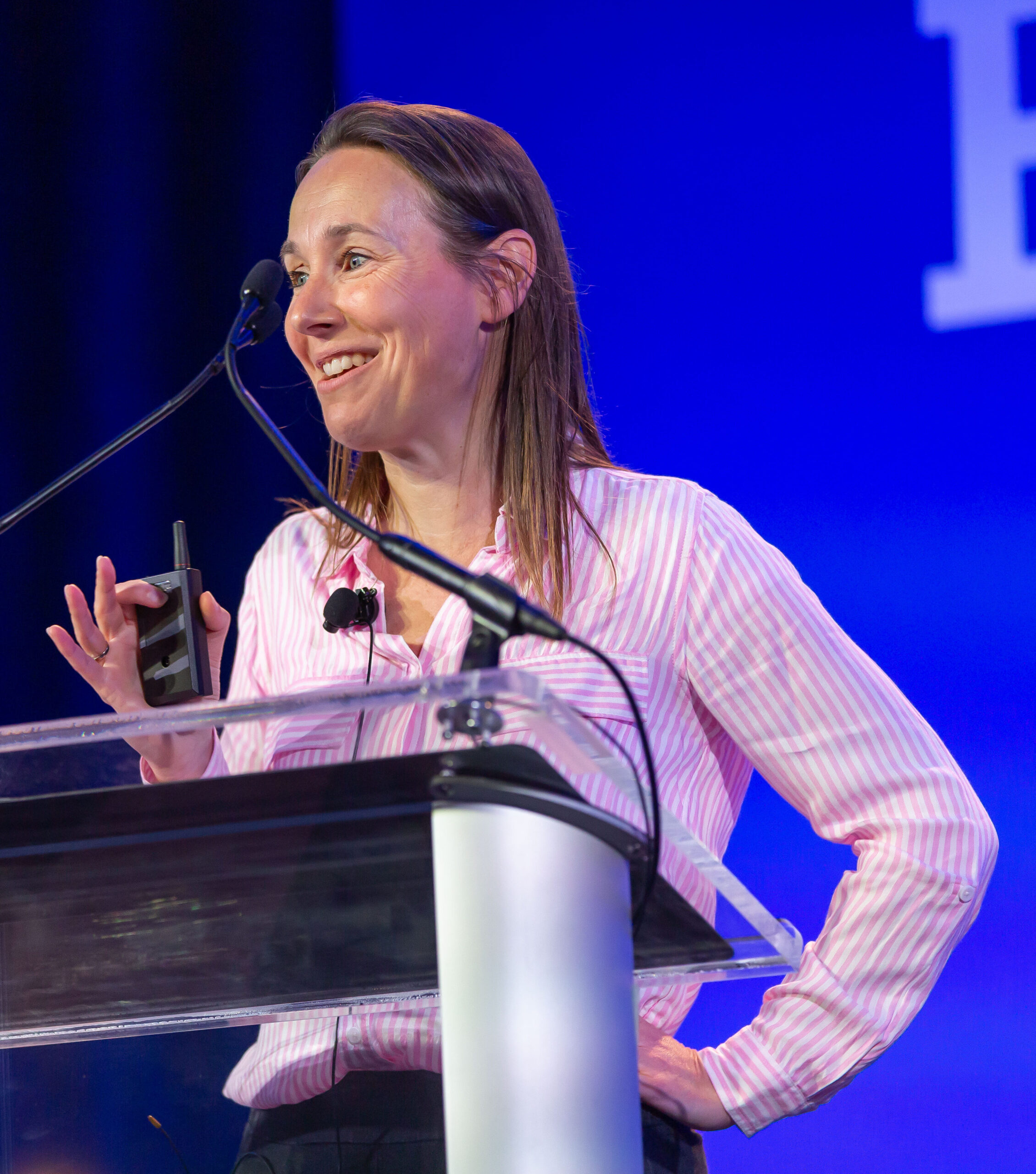
Meet the team
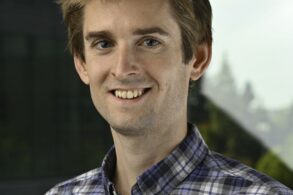
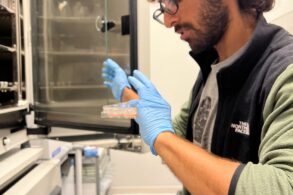
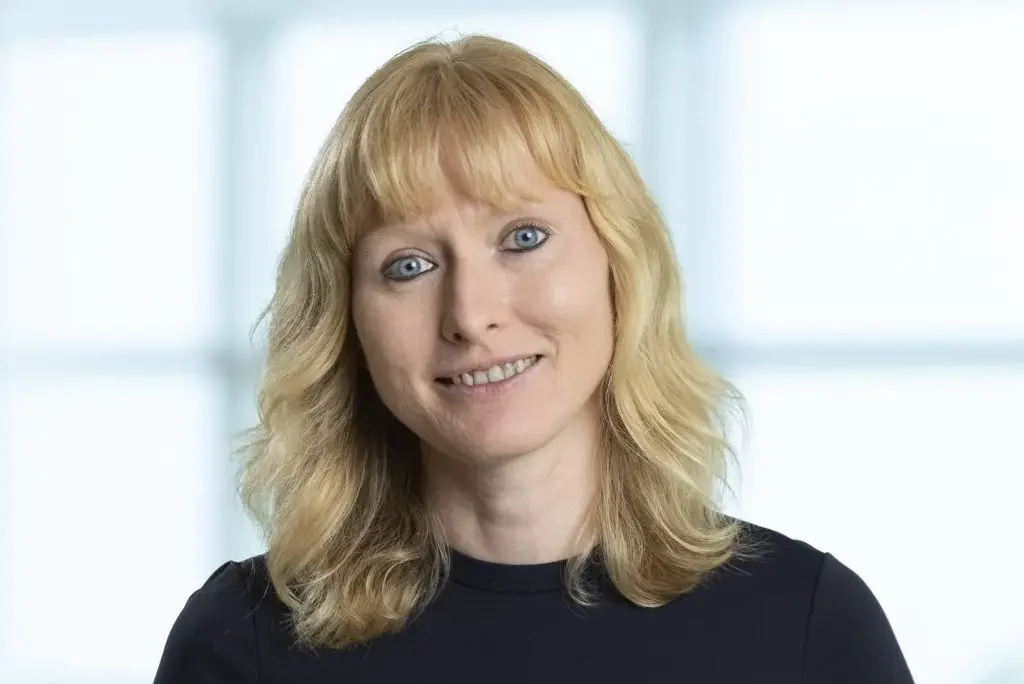
This multi-disciplinary consortium is led by Rosa Rademakers of Vlaams Instituut voor Biotechnologie (pictured left) who has partnered with her VIB colleague Renzo Mancuso, Marka VanBlitterswijk of the Mayo Clinic, Florida, and Adrian Isaacs of University College London.
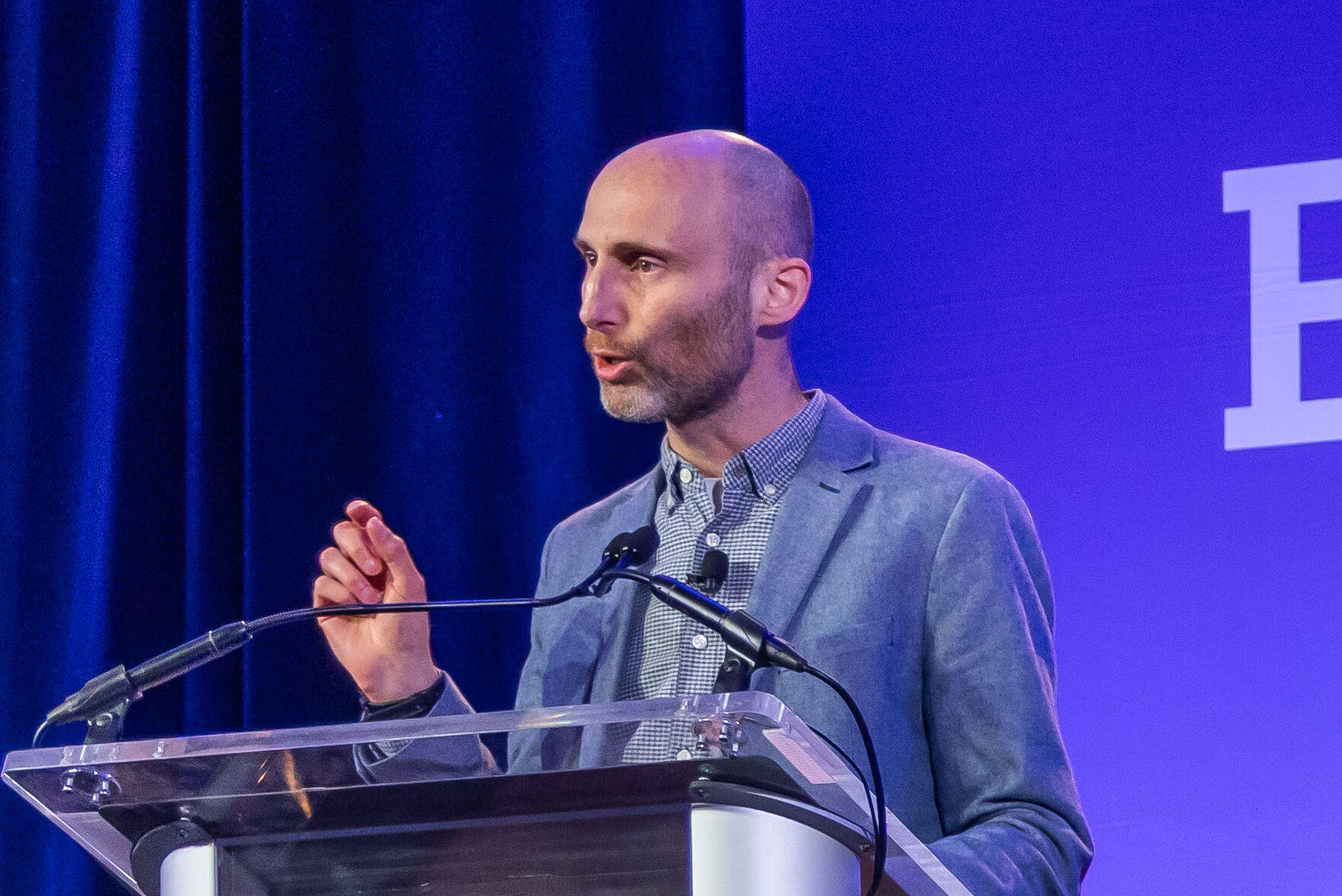
Adrian Isaacs, PhD
University College London
Renzo Mancuso, PhD
Vlaams Instituut voor Biotechnologie (VIB)
Marka Van Blitterswijk, MD, PhD
Mayo Clinic, Florida
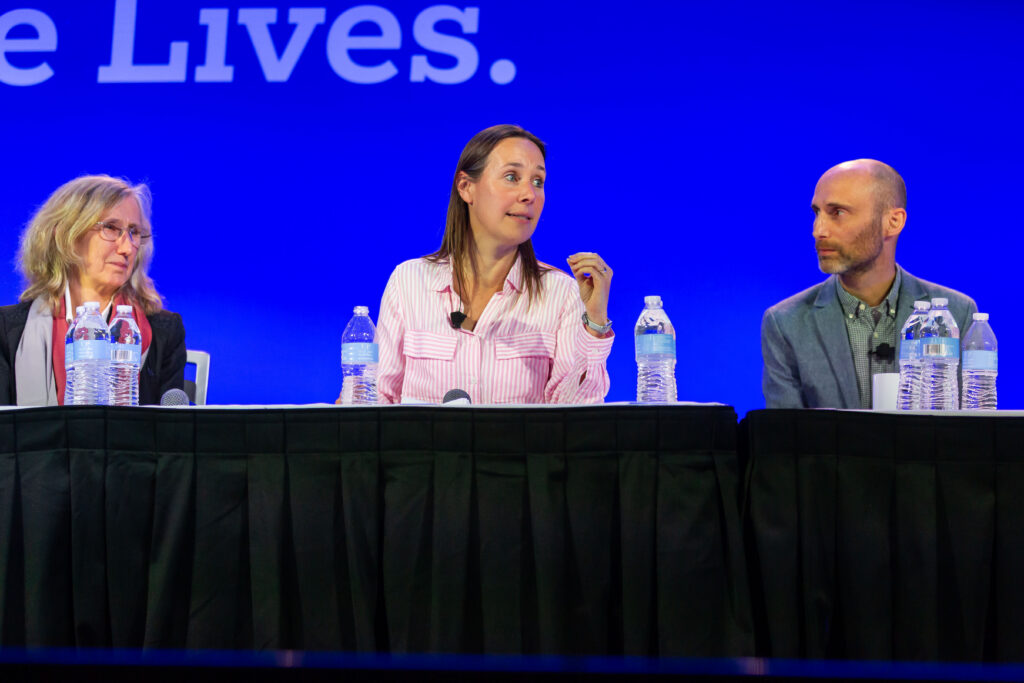
In their presentation, the team described initial work in brain and spinal cord tissue to study repeat expansion length and genetic risk factors underlying whether or not a person carrying this mutation expresses disease and how that disease presents. They also shared historical and recent data indicating that proteins produced from this mutated section of DNA are toxic. However, given the failures of the clinical trials targeting these proteins, the team proposed that many other toxic factors are likely to come into play. They hypothesize that C9 factors may be early toxic factors, while TDP-43-related phenomena cause toxicity later on in the disease. The session generated lively discussion and debate, underscoring the importance of this work to advancing the field.
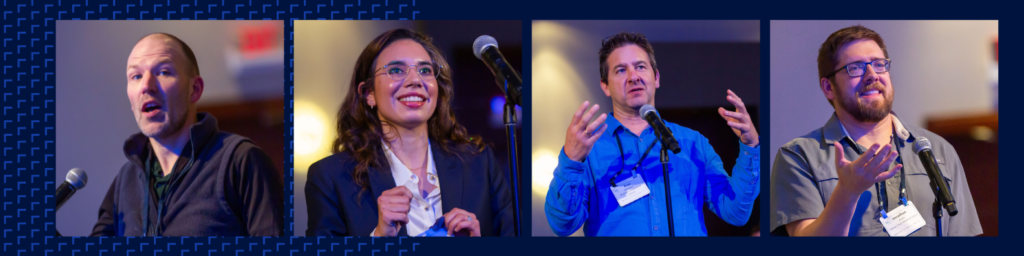
Key Takeaway: The repeat expansion in C9orf72 is the most commonly known genetic cause of both ALS and FTD. It’s a major priority to address this cause, but scientists have struggled to crack the code. This consortium’s efforts aim to unravel the complexities of this mutation, building a biological roadmap for the broader scientific community to better understand and develop treatments for C9.
Join our community
Become a member of the Target ALS community today to drive our efforts to discover viable treatments for everyone with ALS.

Related News